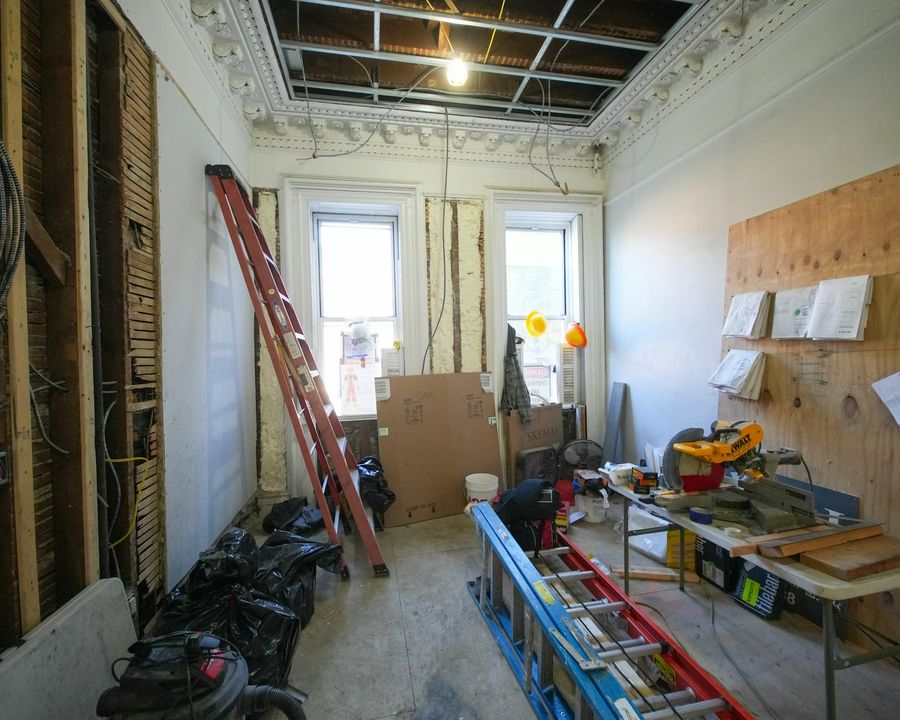
What does a fit-out usually include?
A “fit-out” covers everything that turns a space into your business: partitions, flooring, lighting, plumbing, kitchens, counters, shelving, signage, IT cabling and furniture. A shell (bare) tenancy needs the lot; a second-generation space — say, a former cafe becoming your cafe — may only need a refresh.
Knowing which one you’re dealing with is step one, because the difference in cost can be enormous.
How do I budget a fit-out properly?
A friend who’s been through a few of these would tell you:
- Get at least two detailed quotes that list exactly what’s included and excluded.
- Add the hidden costs: design fees, consents, engineer reports, fire compliance, signage approvals, removal of the old fit-out, and moving costs.
- Add a contingency — commonly 10–20% on renovation work, more for older buildings.
- Budget for the disruption: lost trade while you’re closed, or overlapping rent on two sites.
- Keep working capital aside so you can trade confidently after opening.
Opening day is when you start earning back the fit-out. Make sure you’ve still got money for stock, wages and marketing that week.
What should I check in the lease first?
- Term and renewal rights. A big fit-out on a short lease means paying it off over the time you get to use it.
- Landlord contribution. Some landlords contribute to fit-out costs or offer rent-free months on longer leases.
- Make-good clauses. What must be removed or restored when you leave?
- Personal guarantee. Many commercial leases ask directors to guarantee the rent. Read our personal guarantees guide before signing.
Commercial leases in New Zealand are often based on the ADLS standard form, but every lease is negotiated. A property lawyer is worth their fee here.
Do I need consents?
Some fit-out work needs a building consent from your local council, and food businesses may need their premises checked against food safety requirements. Change-of-use situations can trigger extra requirements too. Your designer or builder should tell you early — and the consent timeline belongs in your plan.
How can I fund the fit-out?
| Option | Works well for |
|---|---|
| Property-secured business loan | Larger fit-outs, or bundling fit-out with equipment and stock. $20,000 up to $1m secured on NZ property, as a first or second mortgage |
| Unsecured business loan | Established businesses (usually trading 6+ months) with steady turnover |
| Landlord contribution plus a smaller loan | Longer leases where the landlord wants a quality tenant |
If you’re renovating premises you own, improvements to commercial or industrial buildings may qualify for the Investment Boost deduction. Your accountant can confirm.
What do lenders want to see for a fit-out?
The quotes, the lease (or title, if you own it), a sense of how the new space will lift revenue, and your trading history or property details. Photos of the space and a simple timeline help the conversation along.
How LendFriend helps
Tell us about the space, the quotes and your timing. We’ll look at your situation and match you with a lender from our panel that suits a fit-out of your size — and we’ll make sure funding lines up with your builder’s payment schedule. You decide.
Start your enquiry — it takes about 60 seconds.
The honest bit
Fit-outs run over — budgets, timelines, or both. If the project only works when nothing goes wrong, trim the plan until it works with a 15% cushion. Customers remember great service long after they've forgotten the light fittings.